When choosing a calibration provider, you may see terms like “NIST-traceable” and “ISO/IEC 17025 accredited.” While both are important in the calibration industry, they don’t mean the same thing.
Understanding the difference can help you choose the right calibration service for your equipment, quality requirements, and audits.
What Does NIST-Traceable Calibration Mean?
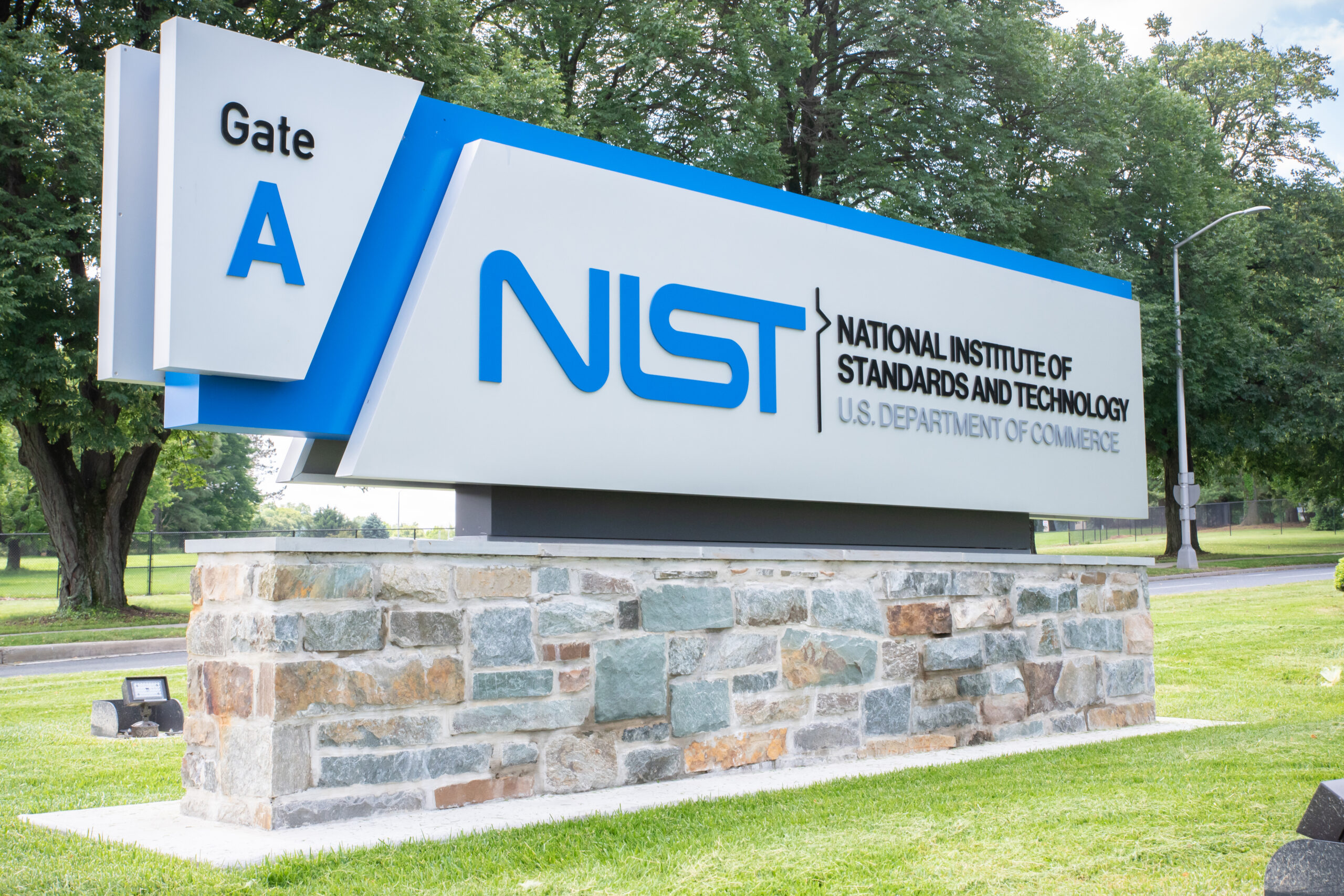
NIST stands for the National Institute of Standards and Technology, the U.S. national metrology institute.
A calibration is considered traceable when its measurement results can be related to a recognized reference through a documented, unbroken chain of calibrations. Each step in that chain contributes to the overall measurement uncertainty.
In practical terms, measurement traceability helps provide confidence that the results from your calibrated equipment can be related back to recognized measurement standards.
This is especially important for businesses that depend on accurate measurements for:
- Manufacturing and quality control
- Electrical testing
- Research and development
- Food and beverage production
- Pharmaceutical and laboratory operations
- Inspection and testing
- Regulatory and customer requirements
What Is ISO/IEC 17025 Accreditation?
ISO/IEC 17025 is an international standard covering the competence of testing and calibration laboratories.
Accreditation to ISO/IEC 17025 goes beyond simply having measurement standards that are traceable. An accredited laboratory is independently evaluated for factors such as its technical competence, calibration methods, measurement uncertainty, equipment, personnel, and quality management processes.
Importantly, accreditation applies to a laboratory’s defined scope of accreditation. Customers requiring accredited calibration should verify that the specific measurement and calibration being requested falls within that scope.
What’s the Difference?
The easiest way to think about it is:
Traceability relates to the measurement result. Accreditation evaluates the laboratory’s competence to perform specific calibration activities within its accredited scope.
A calibration can have measurement traceability without necessarily being performed as an ISO/IEC 17025 accredited calibration.
For organizations operating under strict quality systems or customer requirements, an accredited calibration may be required.
Why Does This Matter for Your Business?
Calibration isn’t only about getting a sticker with a new due date.
Reliable calibration helps businesses maintain confidence in the equipment they use to make decisions every day. Inaccurate measurement equipment can contribute to rejected products, unnecessary rework, inconsistent processes, audit findings, and costly downtime.
Choosing the appropriate calibration service helps ensure your equipment and calibration documentation meet your organization’s actual requirements.
Before sending equipment for calibration, consider:
- Does a customer or contract require accredited calibration?
- Does the calibration fall within the laboratory’s accredited scope?
- What measurement uncertainty is required for the application?
- Are there industry-specific or regulatory requirements?
- What documentation will be required during your next audit?
Answering these questions ahead of time can prevent problems later.
Calibration Services You Can Depend On
Since 1973, Standard Meter Lab, Inc. has provided calibration and repair services for businesses that rely on accurate measurement equipment.
Our capabilities cover a wide range of equipment across industries, with both in-lab and on-site calibration services available to help businesses maintain accuracy while minimizing disruption to their operations.
Whether you’re managing a few critical instruments or an entire calibration program, our team can help determine the appropriate service for your equipment and requirements.
Have questions about your calibration requirements? Contact Standard Meter Lab today to discuss your equipment and calibration needs.